
Dakgalbi (Spicy Korean Chicken Stir-Fry)
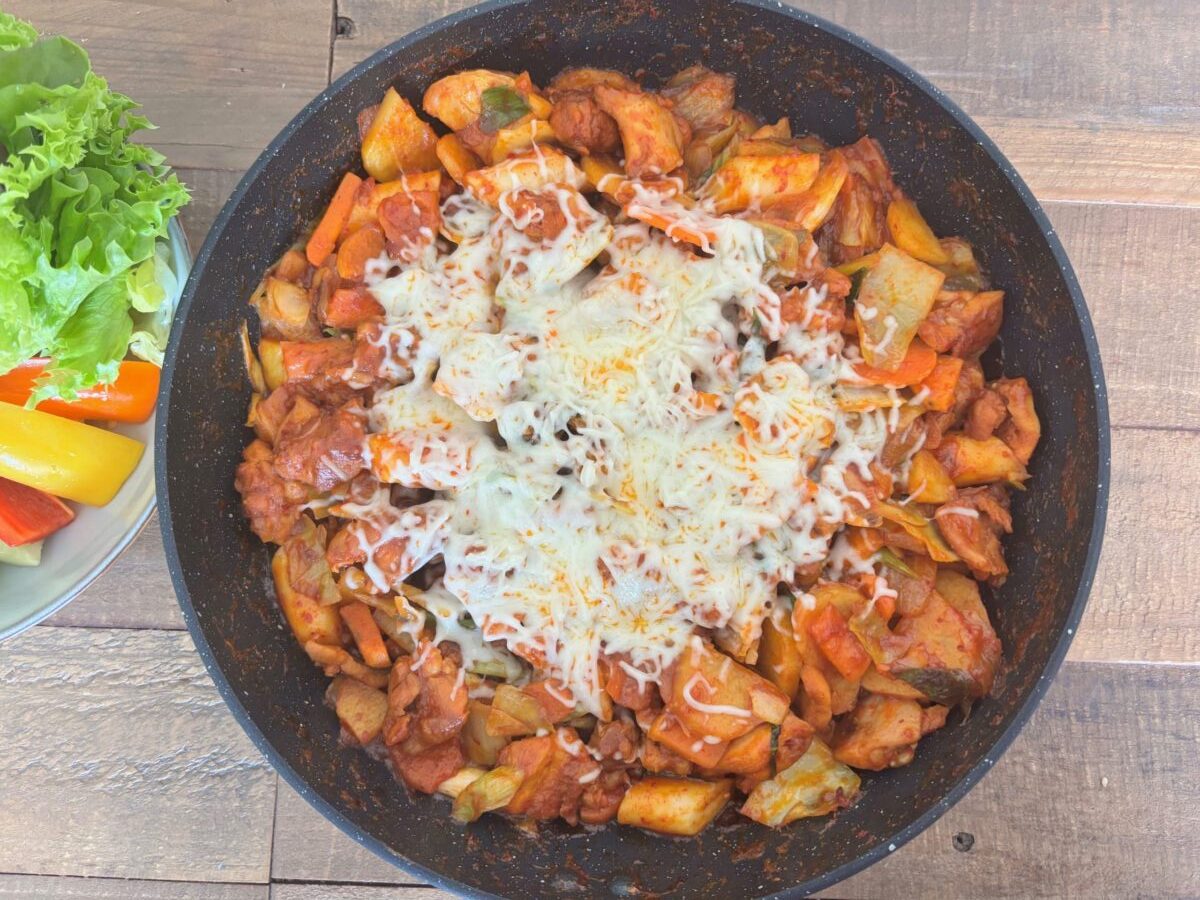
Originating from Chuncheon, a city northeast of Seoul, Dakgalbi became popular as a budget-friendly dish among students, but today it’s enjoyed all across Korea and beyond. The spicy, smoky, and slightly sweet flavors are addictive — especially when cooked on a sizzling grill at the center of the table, perfect for sharing with friends and family.
Whether you’re cooking at home or enjoying it at a restaurant, Dakgalbi is more than just a meal — it’s an experience.
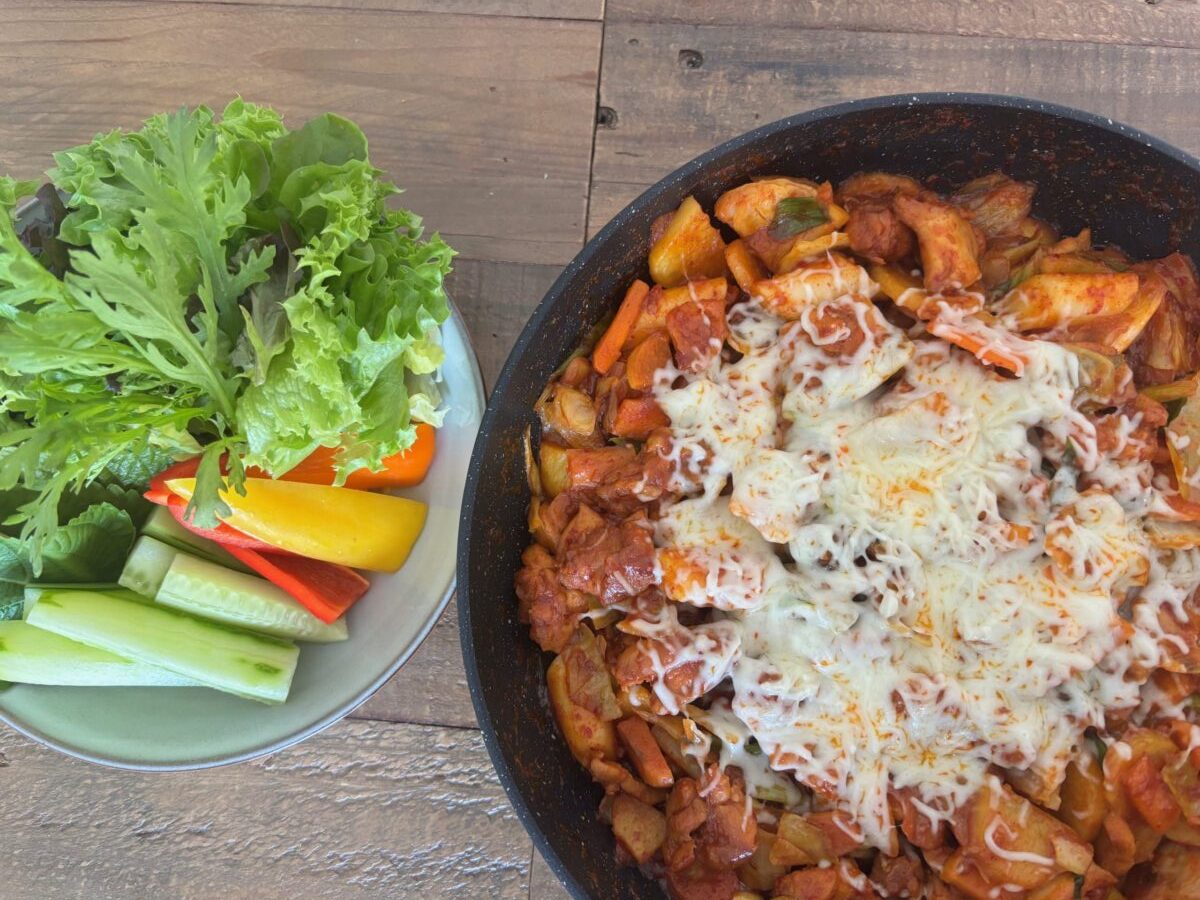

Dakgalbi (Spicy Korean Chicken Stir-Fry)
This recipe focuses on a delicious and authentic-tasting Dakgalbi that you can easily make at home in a large pan or wok.
Ingredients
Method
- Prepare the Chicken: Pat the chicken pieces dry with paper towels.

- Make the Marinade: In a large mixing bowl, combine all the marinade ingredients: gochujang, gochugaru, soy sauce, sugar, mirin, minced garlic, grated ginger, sesame oil, curry powder (if using), grated onion, and black pepper. Whisk well until smooth.

- Marinate the Chicken: Add the chicken pieces to the marinade bowl. Use your hands to thoroughly coat every piece of chicken with the sauce. Cover the bowl and marinate in the refrigerator for at least 30 minutes, or ideally 2-4 hours for deeper flavor. (You can marinate overnight for the best results.)

- Prepare Vegetables: While the chicken is marinating, prepare all your vegetables as described in the ingredients list. Soak the rice cakes if needed.

Cook the Dakgalbi:
- Heat a large, heavy-bottomed pan or wok (a non-stick pan or cast-iron skillet works great) over medium-high heat. Add 1-2 tablespoons of vegetable oil.

- First, add the potato slices to the pan. potatoes take longer to cook, so give them a head start. Stir-fry for about 3-5 minutes until they start to soften slightly.
- Add the cabbage, sliced onion, carrot, and drained rice cakes to the pan. Stir everything together well.

- Add the marinated chicken to the pan. Spread it out in a single layer as much as possible. Cook for about 5-7 minutes, making sure all ingredients are coated in the sauce. stirring occasionally, until the chicken starts to brown and is mostly cooked through.

- Reduce the heat to medium. Continue to stir-fry everything together. If the pan seems too dry or the sauce is getting too thick, you can add 1-2 tablespoons of water.

- Cover the pan with a lid (if possible) and cook for another 8-10 minutes, stirring every few minutes, until the chicken is fully cooked, the potatoes are tender (you can easily pierce them with a fork), and the rice cakes are soft and chewy.

- Finally, add the perilla leaves (if using) and stir them in quickly. And add the cheese on top and cover the pan with a lid until the cheese is completely melted.

SERVE
- Transfer the Dakgalbi to a serving platter.
- Garnish with chopped scallions and a sprinkle of sesame seeds.
- Serve hot, often with steamed white rice, and fresh lettuce leaves for wrapping (just like Korean BBQ!).
Tips for Success:
- Marinating Time: The longer you marinate the chicken, the more flavorful and tender it will be.
- Don’t Overcrowd the Pan: Cook in batches if your pan isn’t large enough, otherwise, the ingredients will steam instead of stir-fry, and you won’t get good caramelization.
- Heat Control: Keep an eye on the heat. If things are browning too quickly, lower it. If they’re just steaming, increase it.
- Leftover Fried Rice (Bokkeumbap): A classic way to finish Dakgalbi is to make fried rice with the leftovers directly in the pan! After eating most of the chicken and vegetables, add some cooked rice, a drizzle of sesame oil, and crumbled roasted seaweed to the remaining sauce. Stir-fry until the rice is lightly crispy. You can even add more cheese!
Notes
- Chicken Choice: Boneless chicken thigh is juicier and more flavorful than breast, but you can use breast for a leaner option.
- Spice Level: Adjust gochujang and gochugaru to your heat tolerance. For milder Dakgalbi, reduce gochugaru or add a bit of ketchup or honey to mellow the spice.
- Add Rice Cakes (Tteok): If using Korean rice cakes, soak them in warm water for 10–15 minutes before cooking so they stay soft and chewy.
- Optional Add-ins: Mozzarella cheese (for cheesy Dakgalbi!), ramen noodles, perilla leaves, or even cabbage kimchi are great variations.
- Cooking Tip: Use a large non-stick pan or cast iron skillet to get a nice sear. Avoid overcrowding the pan for best texture.
- Make it a Meal: Serve with steamed rice, ssam (lettuce wraps), or a fried egg on top.
Please follow and like us:


