
Doenjang-Jjigae(된장찌개) A Classic Korean Comfort Stew
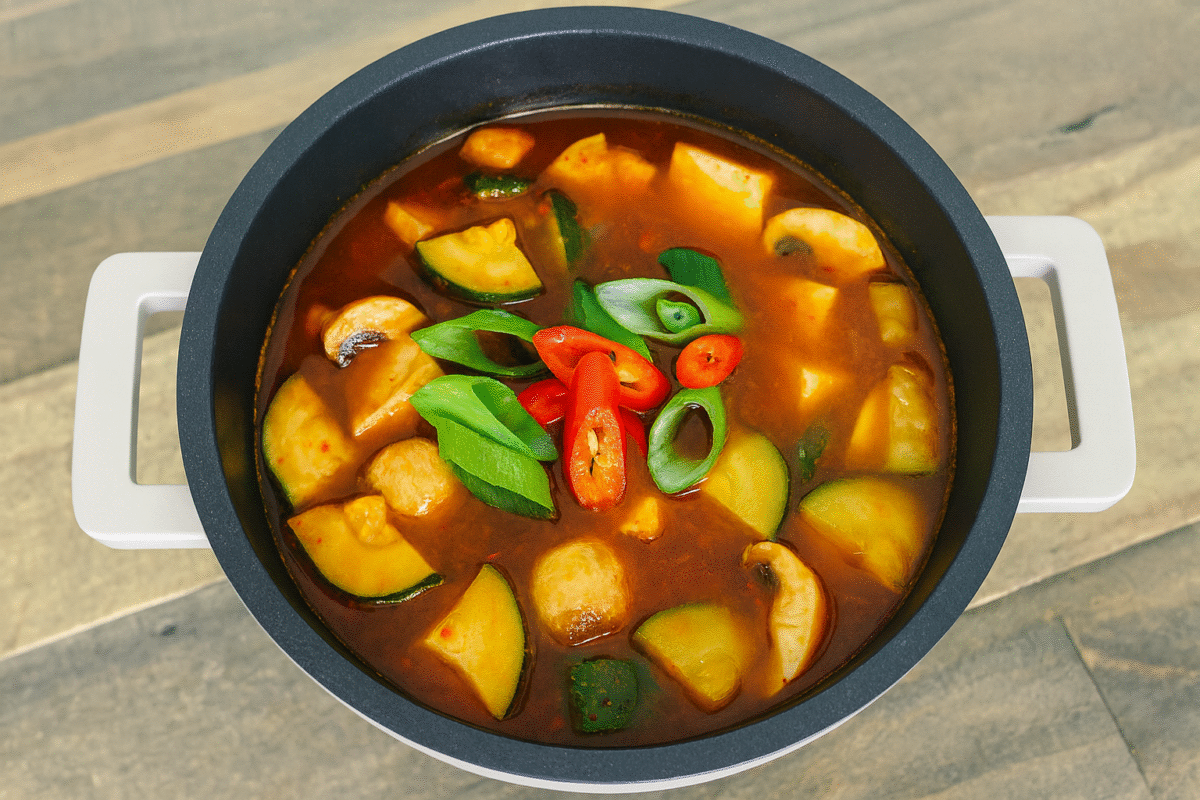
Doenjang-jjigae(된장찌개) isn’t just a stew in Korea; it’s one of the most traditional flavours in Korean life. For thousands of years, fermented soybean paste (doenjang) has been part of everyday meals, and many Koreans grew up smelling it simmering in the kitchen. It’s a dish that feels like home: warm, earthy, salty, and full of umami. Even today, almost every Korean household eats it regularly because it’s simple, healthy, affordable, and fits perfectly with rice, the centre of Korean meals.
Because of all this, doenjang-jjigae became comfort food — something people associate with mom’s cooking, family meals, and familiar flavours. It’s also incredibly versatile: not too heavy, not too light, and easy to adjust to any taste.
But there’s a special cultural moment where this stew becomes almost mandatory: after Korean BBQ.
Korean BBQ is delicious, but it’s also rich, oily, and full of bold flavours. After eating lots of grilled pork or beef, Koreans naturally crave something that “cleans up” the taste. Doenjang-jjigae does exactly that. The salty, fermented broth cuts through the greasiness and refreshes the palate — Koreans describe this as “잡아준다,” meaning it balances and cleanses the heavy meat flavour.
So the perfect finish looks like this:
**A small bowl of hot doenjang-jjigae
- a scoop of rice
- a few leftover pieces of grilled meat.**
This combination makes the meal feel complete, turning BBQ from just meat-eating into a satisfying dining experience. It’s such a deeply rooted habit that most BBQ restaurants expect you to order it at the end — servers often automatically ask, “Shall I bring a doenjang-jjigae?” because almost everyone does.
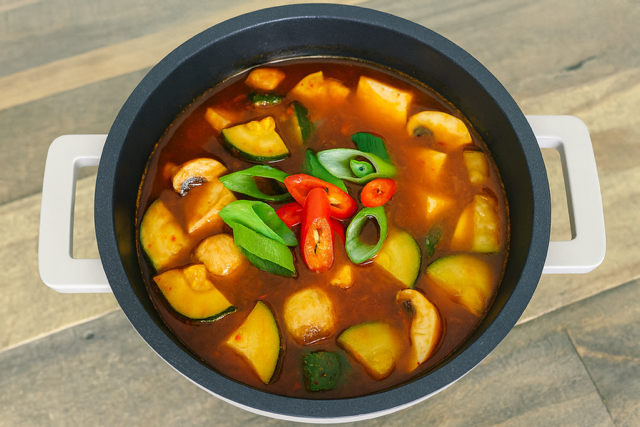

Doenjang Jjigae (Korean Soybean Paste Stew)
Ingredients
Method
- Add water, dried anchovies, kelp, and green onion to a pot. Bring to a boil over high heat.
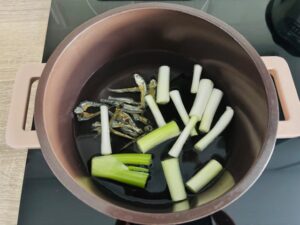
- Once it starts boiling, remove the kelp after 3–5 minutes. Lower to medium heat and simmer for 10 minutes.
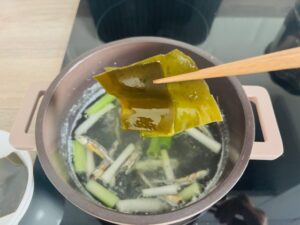
- Strain out the anchovies and green onion. Your clean, flavorful broth is ready!
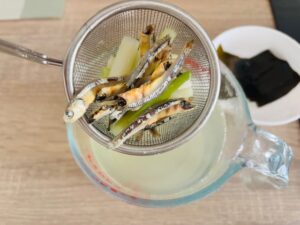
- Prep the Ingredients of your choice of vegetables.
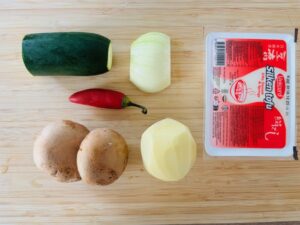
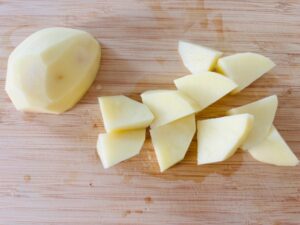
- Cut the potato into bite-sized pieces.
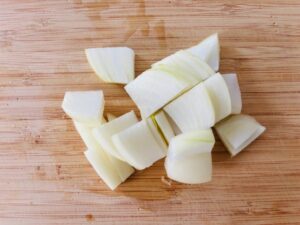
- Cut the onion into bite-sized pieces.
- Cut the mushroom into bite-sized pieces.
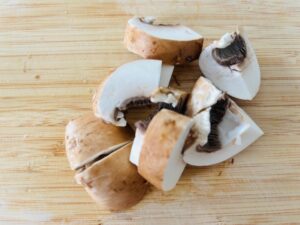
- Cut the courgette into bite-sized pieces.
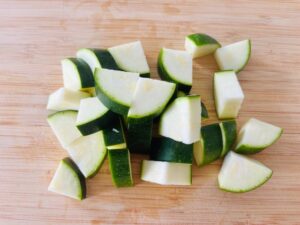
- Cut tofu into cubes into bite-sized pieces.
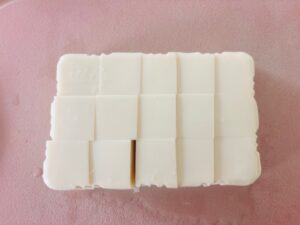
- Slice the Cheongyang chili pepper.
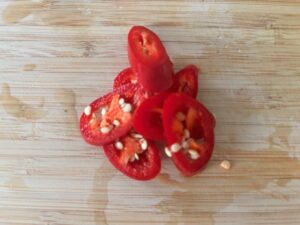
- Add the prepared broth back into the pot.
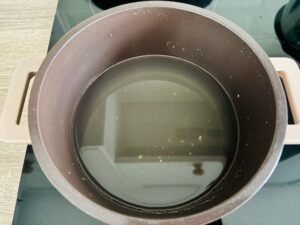
- Dissolve 4 tbsp doenjang using a strainer (or mix directly).
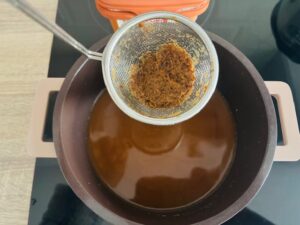
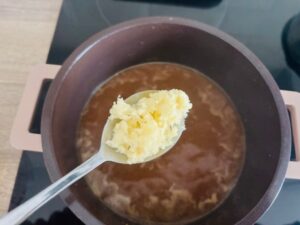
- Add 1 tbsp minced garlic.
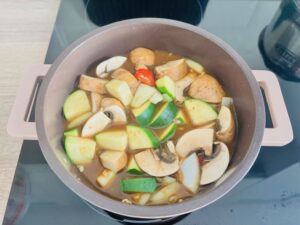
- Add the potatoes first and boil for 5 minutes. Then add courgette, mushroom, onion, and the chilli and cook for another 5 minutes.
- Add 1 tbsp gochugaru and stir.
- Add the tofu
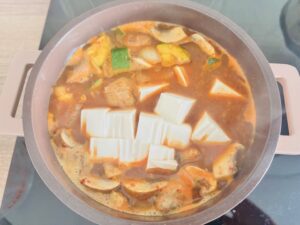
- Cook for 2-3more minutes.
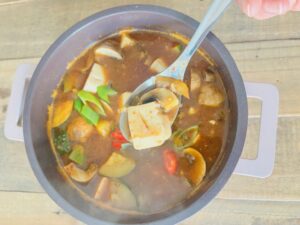
- Taste and adjust saltiness with a bit more doenjang or salt if needed. Enjoy!
Notes
Tips
- Add some chopped green onions at the end for extra fragrance.
- A tiny drizzle of sesame oil can make it richer (optional).
- serve with a bowl of warm rice or eat after Korean BBQ
- Add beef for extra deep flavour


